Hyaluronic acid (HA) is not new to you, but you will appreciate it better after reading this.
Hyaluronic acid has become one of the most talked-about ingredients in beauty routines around the world. Every dermatologist, cosmetic chemist, and beauty influencer seems to rave about it. But what is hyaluronic acid really? How does it work in your skin? What forms does it come in? And how do you use it effectively? This comprehensive post answers all of those questions in clear language. Whether you are a skincare beginner or beauty pro, you will walk away confident about adding hyaluronic acid to your routine.
What Is Hyaluronic acid, and why does it matter?
Hyaluronic acid, often abbreviated as HA, is a glycosaminoglycan. That means it is a sugar molecule that holds water extremely well. In fact, hyaluronic acid can hold up to 1000 times its weight in water. You naturally have HA in your skin, connective tissues, and even in your eyes. It plays a major role in hydration, volume, and elasticity.
As we age, the amount of hyaluronic acid in our skin declines. That contributes to dryness, fine lines, and loss of plumpness. This is why hyaluronic acid has become a must-have ingredient in anti-aging skincare, hydrating serums, and even makeup products. It is gentle, effective, and works well for nearly every skin type, including sensitive and acne-prone skin.
How Hyaluronic Acid Works in the Skin
To understand how hyaluronic acid functions, it helps to think of it as a hydration magnet.
1. Humectant action
Hyaluronic acid is a powerful humectant. That means it pulls water from the environment and deeper layers of the skin into the top layer of the epidermis. When applied correctly, HA increases skin moisture, making it look smooth and full.
2. Moisture barrier support
A healthy moisture barrier helps protect the skin from irritation, pollution, and transepidermal water loss. Hyaluronic acid supports that barrier by keeping skin hydrated. As hydration improves, skin often looks more radiant and feels softer.
3. Plumping and anti-aging effect
Fine lines and wrinkles often form when skin loses moisture and structural support. Because hyaluronic acid fills the spaces between collagen and elastin fibers with water, it helps skin look plumper and reduces the appearance of lines. This is why hyaluronic acid is a staple in anti-ageing routines.
4. Interaction with other ingredients
Hyaluronic acid works beautifully with other powerful skincare actives like niacinamide, retinol, and vitamin C. Pairing HA with these ingredients helps reduce irritation while improving hydration and overall skin performance.
Different forms of Hyaluronic acid in products
Not all hyaluronic acid is created equal. Cosmetic chemists use different molecular sizes and forms to target different layers of the skin.
1. High molecular weight HA
This form sits mostly on the surface of the skin by forming a thin film that locks in moisture. It gives immediate hydration and smoothness but does not penetrate deep into the skin.
2. Low molecular weight HA
Smaller molecules can penetrate deeper into the epidermis. These provide long-lasting hydration and help improve elasticity from within.
3. Hydrolyzed hyaluronic acid
This is HA that has been broken down into very small fragments. It penetrates more easily and is often used in serums for deep hydration.
4. Sodium Hyaluronate
This is a salt form of hyaluronic acid. It has a smaller molecular size, therefore, it penetrates more easily and is a common choice in serums and moisturizers.
5. Cross-linked Hyaluronic acid
This form is used in certain dermal fillers because it is more stable and resists breaking down too fast. In topical products, cross-linked HA can provide long-lasting surface hydration.
Where can you find Hyaluronic acid in Cosmetics?
Hyaluronic acid is widely formulated into many types of products:
Hyaluronic Acid Serums
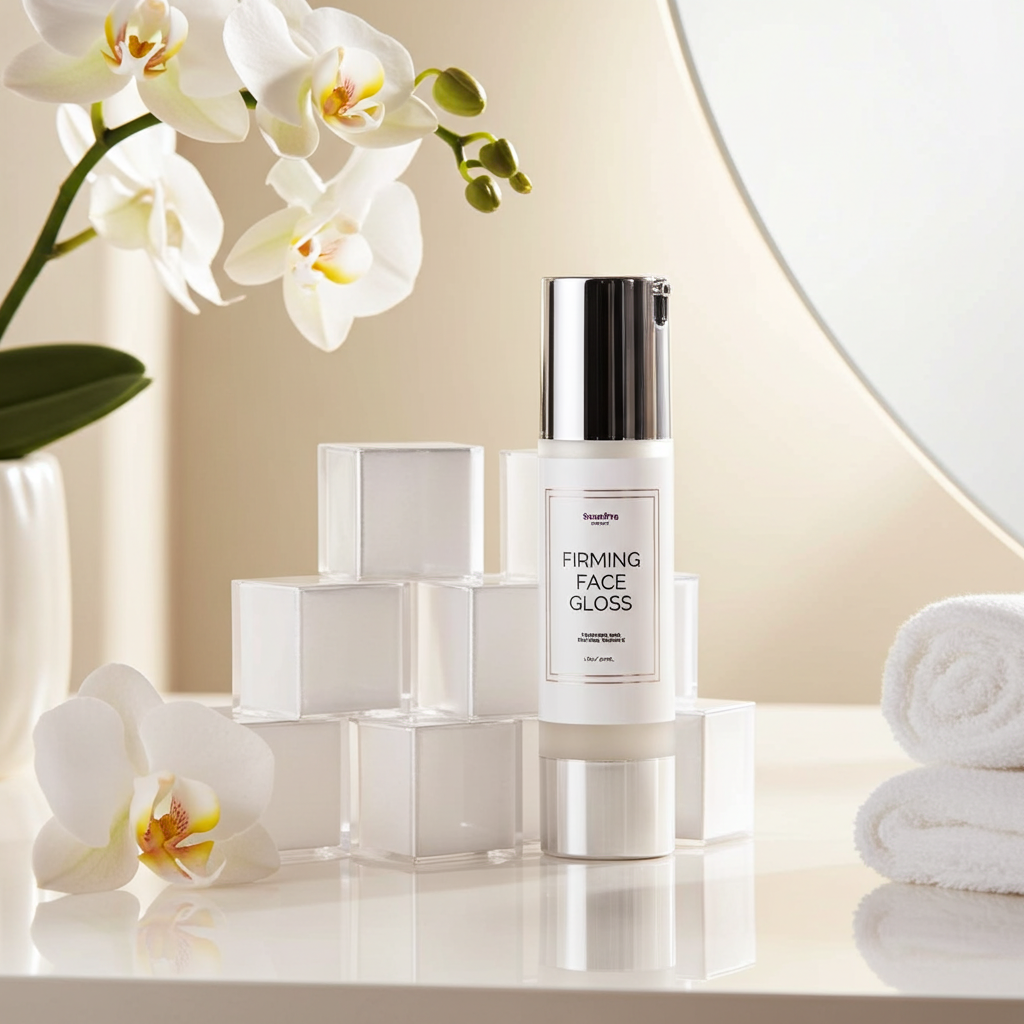
These are the most common HA products. They are lightweight, absorb quickly, and deliver high concentrations of active HA into the skin. Ideal for layering before your moisturizer. SwanPro Firming Face Gloss is a Hyaluronic acid + Vitamin C Serum
Moisturizers and Creams
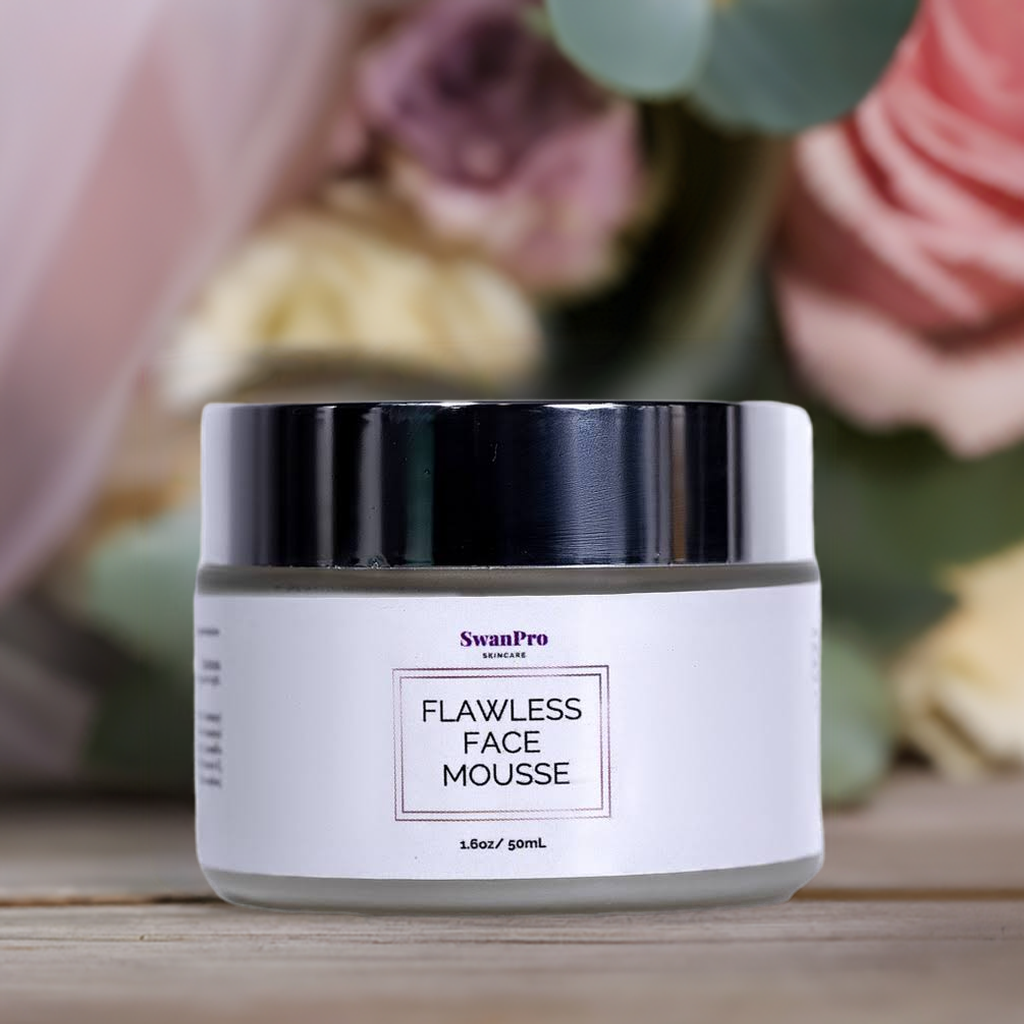
Many creams include HA to boost hydration. These help lock in moisture throughout the day or night. SwanPro Flawless Face Mousse contains Hyaluronic acid as a humectant, as well as niacinamide and alpha arbutin to enhance skin brightness and fade hyperpigmentation.
Facial Mists and Toners
Hydrating toners and mists with HA are great for a quick hydration boost any time. They are especially useful in dry climates or in air-conditioned environments.
Sheet Masks
Sheet masks soaked with HA are intense hydration boosters. Use them once or twice a week for a dewy glow.
Makeup Products
Foundations, primers, and setting sprays may include hyaluronic acid to help skin look hydrated and smooth under makeup.
How to use Hyaluronic acid for the best results
Here is a simple step-by-step guide for incorporating HA into your routine:
Step 1. Cleanse
Start with a gentle cleanser to remove dirt, makeup, and impurities.
Step 2. Apply while skin is damp
Hyaluronic acid pulls water toward itself. Applying HA on damp skin helps it draw that moisture into the skin instead of away from it.
Step 3. Use serums first
Apply your hyaluronic acid serum before heavier creams or oils. This helps HA penetrate and hydrate effectively.
Step 4. Seal it with a moisturizer
After HA, always follow with a moisturizer. This locks the hydration in and prevents water from evaporating.
Step 5. Use daily
You can safely use hyaluronic acid in both your morning and night routine.
Avoid Common Mistakes
Do not use HA on completely dry skin, else it may draw moisture out of the deeper layers of skin instead of into the outer layer. If you live in very dry weather, use a rich moisturizer on top so hydration stays locked in.
Why is Hyaluronic acid everywhere?
Hyaluronic acid remains trending for several reasons:
1. Clean Beauty Movement
Consumers want effective hydrating ingredients that are gentle and science-backed.
2. TikTok and Influencer Buzz
Beauty creators highlight HA for glass skin, plumped lips, and youthful hydration.
4. Aging Gracefully
As the wellness and anti-aging categories grow, HA stays at the forefront of hydration staples.
3. Multi-Functional Skincare
People want products that multitask. HA hydrates, supports the moisture barrier, and plays well with other actives.
So here are my final thoughts on why you really need Hyluronic acid
Hyaluronic acid is more than just a beauty buzzword. It is a fundamental hydrator that supports skin health, enhances skin texture, and works in harmony with your entire skincare routine. Whether you choose a serum, a lotion, or a makeup product with HA, understanding how to use it will help you unlock dewy, youthful, hydrated skin.
So if you are looking for amazing products that are functional and contain HA, check out our 2 recommended products above.
Keep Blooming!
Post a Comment
You must be logged in to post a comment.